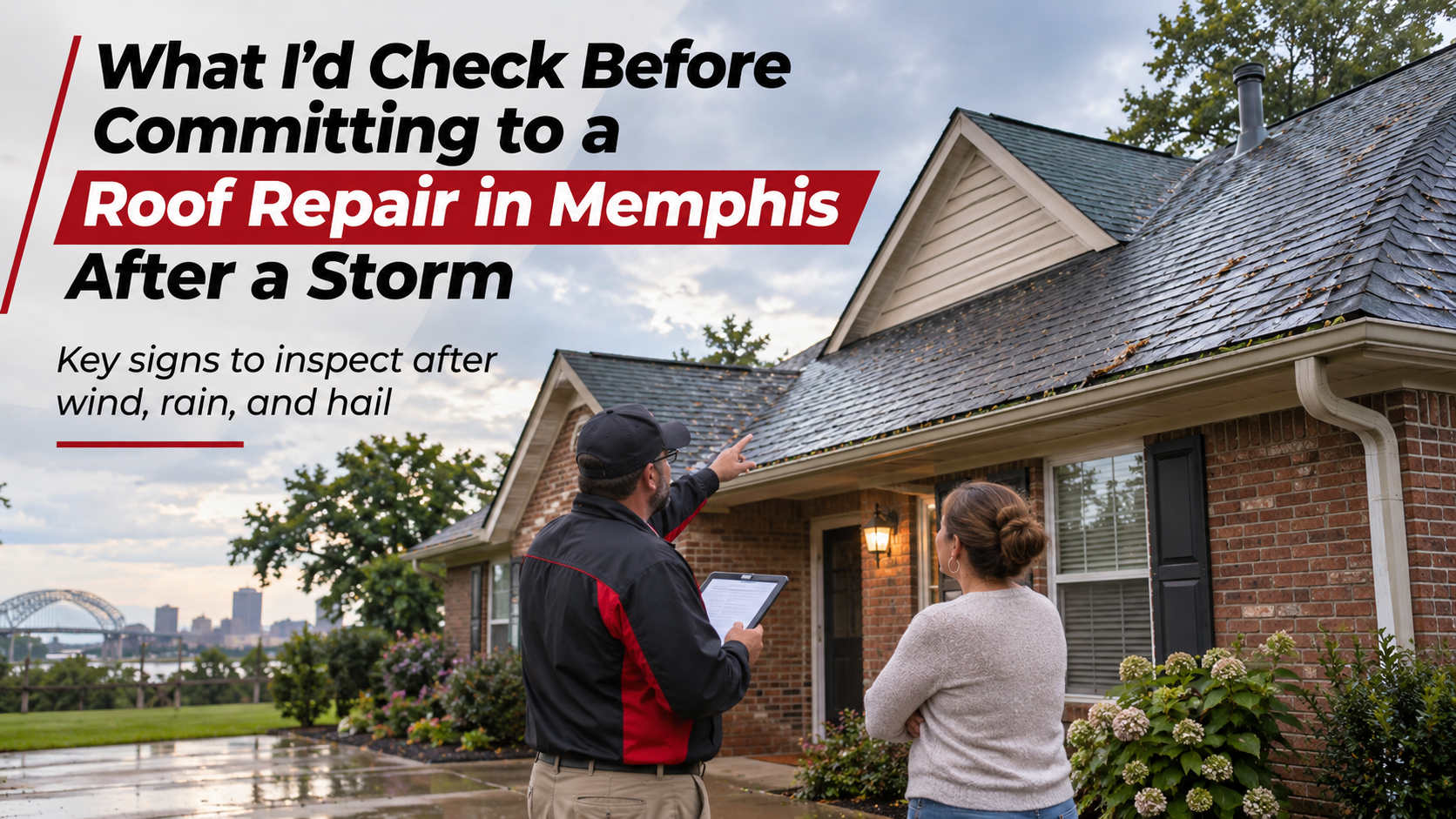
After a storm blows through, especially one that leaves hail and high winds in its wake, I often see homeowners scrambling to inspect their roofs. Here’s the thing: doing a thorough roof inspection can save you from future headaches (and expenses). Storms in Memphis can wreak havoc on your roof, and knowing what to look for is critical. Let’s dive into the key areas to focus on during your inspection.
Key Areas to Check for Storm Damage
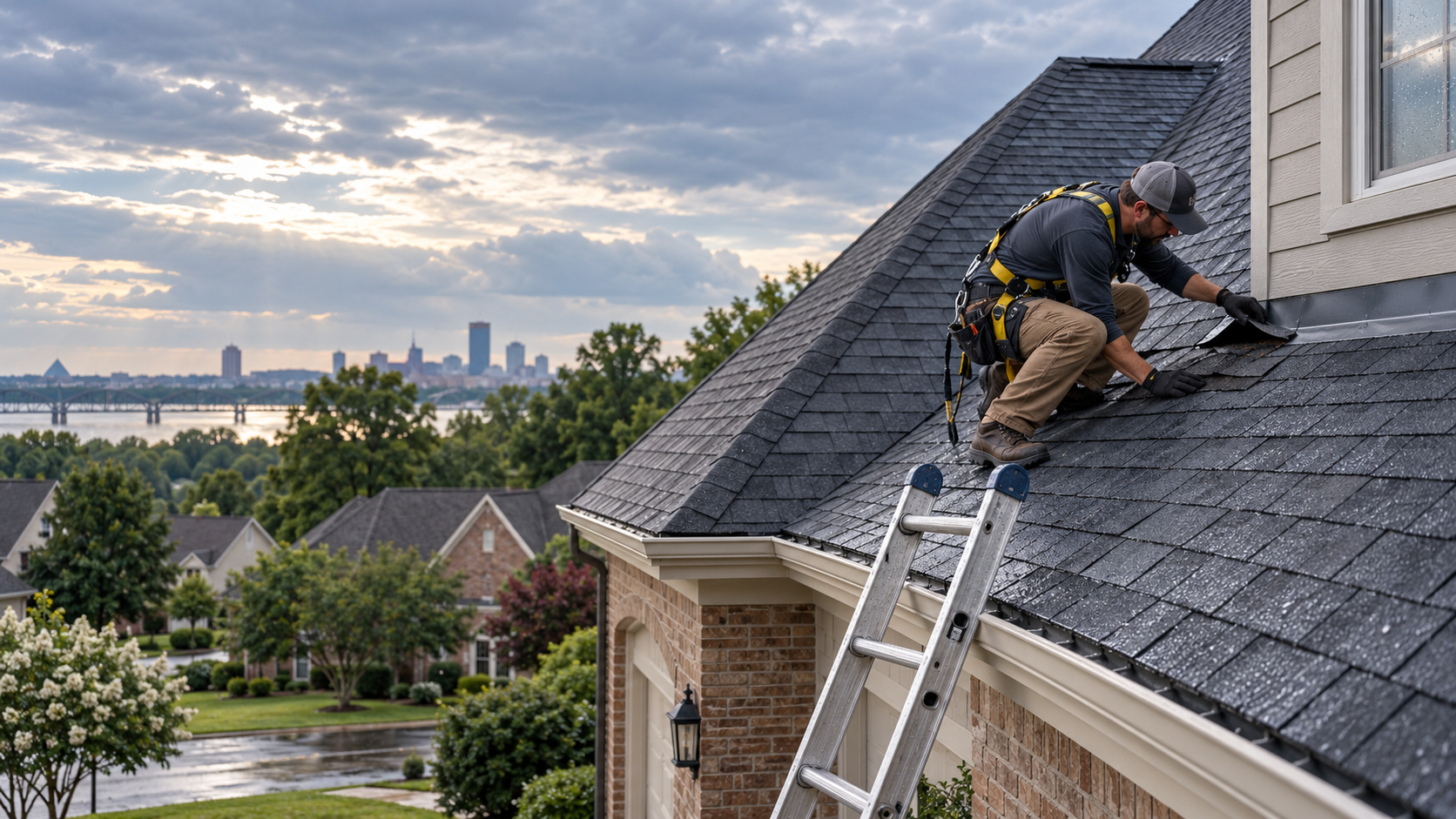
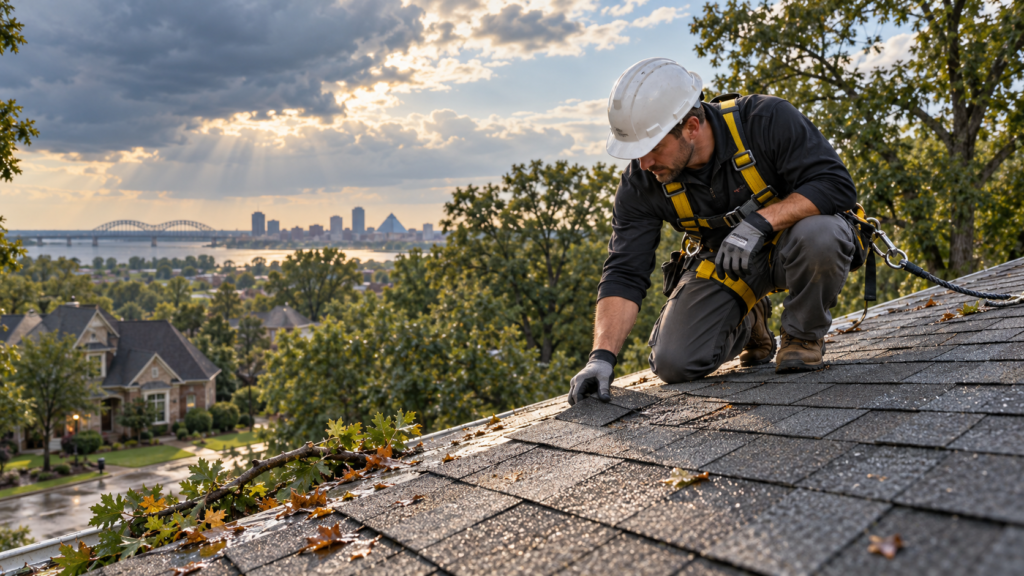
First and foremost, I always start my inspections with the roof surface itself. It’s imperative to look for visible signs of damage—cracked, missing, or displaced shingles are all common after a big storm. For example, asphalt shingles can suffer hail impact, leading to dents or granule loss. If you notice anything amiss, don’t climb up there without proper safety gear; consider calling in a licensed roofing contractor.
When conducting your inspection, it’s beneficial to check the overall condition of roof decking. Look under your shingles for any water stains and signs of rot. Pay special attention to flashings around chimneys, vents, and valleys. These areas are prone to leaks when not sealed properly. After straight-line winds, it’s crucial to inspect seams and edges where different roofing materials meet, as these are often the weak points that fail first.
Also, keep in mind that tree branches can cause damage during storms. If you see that branches have fallen onto your roof, inspect closely for any potential punctures or cracked shingles. Even seemingly minor impacts can lead to significant issues if they’re not addressed immediately.
Understanding the Roof Leak Signs
Water leaks can be deceptive. A small leak on your ceiling may not be the full story. When I investigate leaks, I often ask homeowners to monitor for water spots, peeling paint, or even bulging drywall. These signs can indicate that the leak has traveled from the roof to other parts of your home, which complicates repairs. The sooner you tackle these leaks with a solid roof inspection, the better the chance of avoiding significant damage.
Another area to consider during the roof inspection is ventilation. Poor attic ventilation can lead to heat and moisture buildup, making your roof more susceptible to damage, especially in the hot Memphis summers. Stale air combined with humidity can create an environment where wood rot thrives. A well-ventilated attic helps to regulate temperature and prevent ice buildup, which can be a problem during winter storms.
From the Field: Common Issues We Encounter
In our experience, we see a variety of issues after storms. Recently, a homeowner called us in for a roof inspection just days after a particularly severe storm. They reported minor leaks but weren’t overly worried. Upon closer inspection, we noted significant hail damage that wasn’t immediately visible from the ground. The hail had knocked off granules from many shingles, making them much less effective at waterproofing the it.
This case illustrates an important lesson: sometimes the damage isn’t obvious. Many homeowners mistakenly believe that unless they see extensive damage, everything is fine. That’s where it gets expensive because untreated minor issues often snowball into major repair needs. I always encourage folks to take a proactive approach—if you suspect storm damage, it’s worth having an expert look.
Emergency Roof Repair: When To Act Quickly
If your it reveals clear signs of storm damage, it may be time for emergency that repair. Storms can create vulnerabilities that lead to further deterioration if not addressed quickly. Look for areas with gaps, loose shingles, or buckling on your this. If you notice a significant it leak, don’t wait—act quickly to mitigate the damage.
In the case of immediate leaks, we recommend placing tarps over affected areas to prevent further water damage while awaiting professional assistance. Emergency repairs aim to stop the bleeding, so you can focus on a long-term solution afterward. Remember, it’s often easier and less expensive to fix small problems than to wait for them to escalate.
What To Do Next: Your Inspection Action Plan
After conducting your that that, here’s what you should do:
1. Document Your Findings: Take photos of any damage that you notice, as this may help if you’re working with insurance later on.
2. Contact a Professional: Call in a licensed roofing contractor who can give you an honest repair-vs-replacement assessment. We can guide you through the insurance process, ensuring you know what to expect.
3. Evaluate Repair Options: If we find minor issues during your this, we might recommend repairs rather than a full this replacement. Remember, “repair before you replace” is not just a slogan; it’s often the best financial decision.
4. Schedule Regular Inspections: Make it a habit to get your it inspected after any major storms, especially in a climate like Memphis, where hail and sudden wind can take a toll.
By following these steps, you can simplify the process and ensure that your it is thorough. In the world of roofing, proactive action is critical, especially after the unpredictable weather patterns we see in Memphis.
Frequently Asked Questions
What are the most common storm damages I should look for on my roof?
Common signs include missing shingles, granule loss, and cracked flashing. Look for water spots on interior ceilings, which can indicate leaks.
How often should I schedule roof inspections in Memphis?
After significant weather events, it’s wise to conduct inspections. Regular annual inspections can also help catch problems before they escalate.
Can I perform a roof inspection myself?
You can check visible areas, but climb carefully or consider hiring a professional to avoid safety risks and ensure a thorough examination.
What is the difference between repair and replacement?
Repair involves fixing specific damaged sections while replacement means installing a new that. We often recommend repairing unless the damage is widespread.
Take the First Step Toward a Safe Roof
A thorough this inspection in Memphis after a storm can uncover potential issues before they become a headache. By focusing on detailed areas like it surface, decking, and ventilation, you can protect your home from long-term damage. If you suspect storm damage, don’t hesitate, get no-cost roof inspection to ensure your roof is secure and sound.