
We’ve all been there opening that mid-summer electric bill and feel like jaw hitting the floor. You immediately blame the kids for leaving the lights on or the ancient AC unit for working overtime. But what if the real culprit is sitting right over your head? Your roof does a lot more than you think. It acts as your home’s primary thermal shield.
Choosing the right materials can be the difference between a cool, breezy living room and an attic that feels like a pre-heated oven. In this guide, we’re going to dive into how your roofing choice affects energy bills and why your next renovation might just pay for itself in savings.
The Secret Connection Between Shingles and Savings
Most homeowners take the roofs casually. However, the science of heat transfer tells a very different story. When the sun beats down on your house, your roof absorbs that thermal energy. If you have dark, traditional shingles, they act like a sponge for heat. That heat then migrates down into your attic, forcing your air conditioner to run twice as hard to keep up. This is exactly how your roofing choice affects energy bills over the long haul.
It’s not just about the color, though that plays a huge role. The material density and the way it handles airflow change everything. You might have seen neighbors with identical floor plans have wildly different utility costs simply because one chose a reflective surface and the other didn’t. When you understand how your roofing choice affects energy bills, you start looking at your home as a complete system rather than just a set of walls. You want a material that reflects light rather than soaking it up like a sponge.
Think of it like wearing a black t-shirt versus a white one on a July afternoon. You’d never choose the black one if you planned to stay outside all day. Your house feels the same way. By picking up a material with a high solar reflectance index, you’re essentially giving your home a pair of sunglasses.
Why Energy-Efficient Roofing Materials Matter Now
If you are looking to renovate, you have better options than ever before. Modern technology has given us energy-efficient roofing materials that weren’t even on the market a decade ago. We’re talking about specialized cool-roof shingles, metal panels with thermal breaks, and even “smart” tiles. These aren’t just fancy upgrades; they are essential tools for modern living.
When you install energy-efficient roofing materials, you are making a long-term investment in your comfort. These products are designed to “breathe” better and shed heat quickly once the sun goes down. Traditional asphalt can hold onto heat for hours after sunset, keeping your house hot well into the night. On the other hand, high-tech materials cool down almost instantly. This means your AC gets a break exactly when you’re trying to sleep.
We often tell people to look for the Energy Star label on their roofing products. It’s a simple way to ensure you’re getting something that performs. Using energy-efficient roofing materials can reduce the peak cooling demand of your home by up to 15%. That’s a massive chunk of change when you add it up over twenty or thirty years. Plus, many of these materials are more durable.
Maximizing Your Long-Term Roof Cost Savings
Let’s talk about the bottom line because that’s what usually drives these decisions. You might see a higher price tag on premium materials and feel a bit of “sticker shock.” But you must look at the long-term roof cost savings to see the full picture. A roof that costs 20% more upfront but saves you $50 every month on power is a total no-brainer. Within a few years, that extra investment has completely paid for itself.
Beyond the monthly bills, think about the lifespan of your HVAC system. When your house stays naturally cooler, your furnace and AC don’t have to work as hard. This leads to massive long-term roof cost savings because you aren’t paying for expensive mechanical repairs or early system replacements. It’s all connected. A cool roof protects your cooling system, which in turn protects your bank account. It’s a win-win for any homeowner.
Another hidden benefit involves your home’s resale value. Today’s buyers are smarter than they used to be. They ask about utility costs and insulation. If you can show them a history of low bills thanks to your smart choices, your home becomes much more attractive. Achieving long-term roof cost savings isn’t just about spending less; it’s about building equity. You’re creating a high-performance home that stands out in a crowded market.
Top Roofing Choices for Maximum Energy Savings
- Metal Roofing: Often cited as the most energy-efficient residential option, metal roofs reflect up to 70% of solar radiation. High-performance coatings can further reduce cooling costs in the summer months.
- Asphalt Roof Shingles: Newer asphalt shingle lines are treated with specialized reflective granules. These can lower a roof’s surface temperature, making them a cost-effective alternative to traditional shingles.
- Clay and Concrete Tiles: Their natural thermal mass allows them to absorb heat slowly during the day and release it at night, which helps maintain a stable indoor climate.
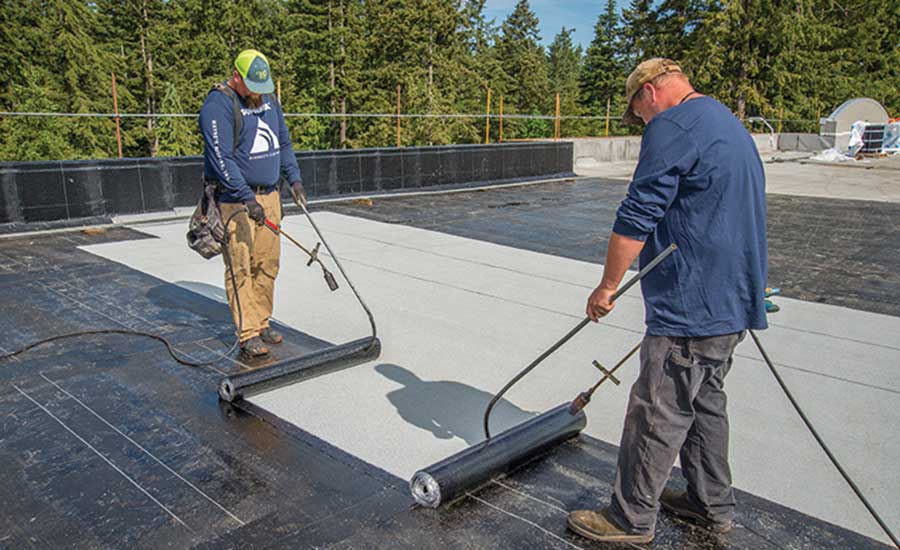
- TPO and PVC Membranes: Ideal for flat or low-sloped roofs, these white synthetic materials are highly reflective and watertight, drastically reducing heat buildup in buildings.
Small Changes That Make a Huge Difference
You don’t always have to tear down the whole house to see an improvement. Even if you aren’t ready for a full replacement, small tweaks to your ventilation can help. However, the most impact always comes from that primary barrier. We’ve noticed that when people finally understand how your roofing choice affects energy bills, they never go back to the basic options. They want the quality that lasts.
Choosing energy-efficient roofing materials is also a great way to do your part for the environment. When thousands of homes in a city switch to cool roofs, it actually lowers the local air temperature. This reduces the “urban heat island” effect. So, while you’re enjoying those long-term roof cost savings, you’re also helping your community stay a little bit cooler.
Don’t let your money leak out through the attic. Take a good look at what’s over your head. If your roof is more than fifteen years old, it’s likely costing you a fortune in hidden fees every single month. Talk to a pro residential roofing contractors, look at the new reflective technologies, and make a choice that keeps your family comfortable and your wallet full. You’ll be glad you did the next time a heatwave rolls through town!

Chris Price is the CEO of Metro Builders, with over 25 years of experience in construction and project leadership. He’s passionate about building strong teams, delivering quality projects, and driving innovation in the industry.

Recent Comments